5 Rules for Staying in Shape While Working 60+ Hours
First, what this isn't.
You will not find faux-tivational speaking here with dogmatic principles like DISCIPLINE OVER EVERYTHING!
Discipline is the solid foundation for progress, but motivation is fleeting and human beings waver. Life will take its toll.
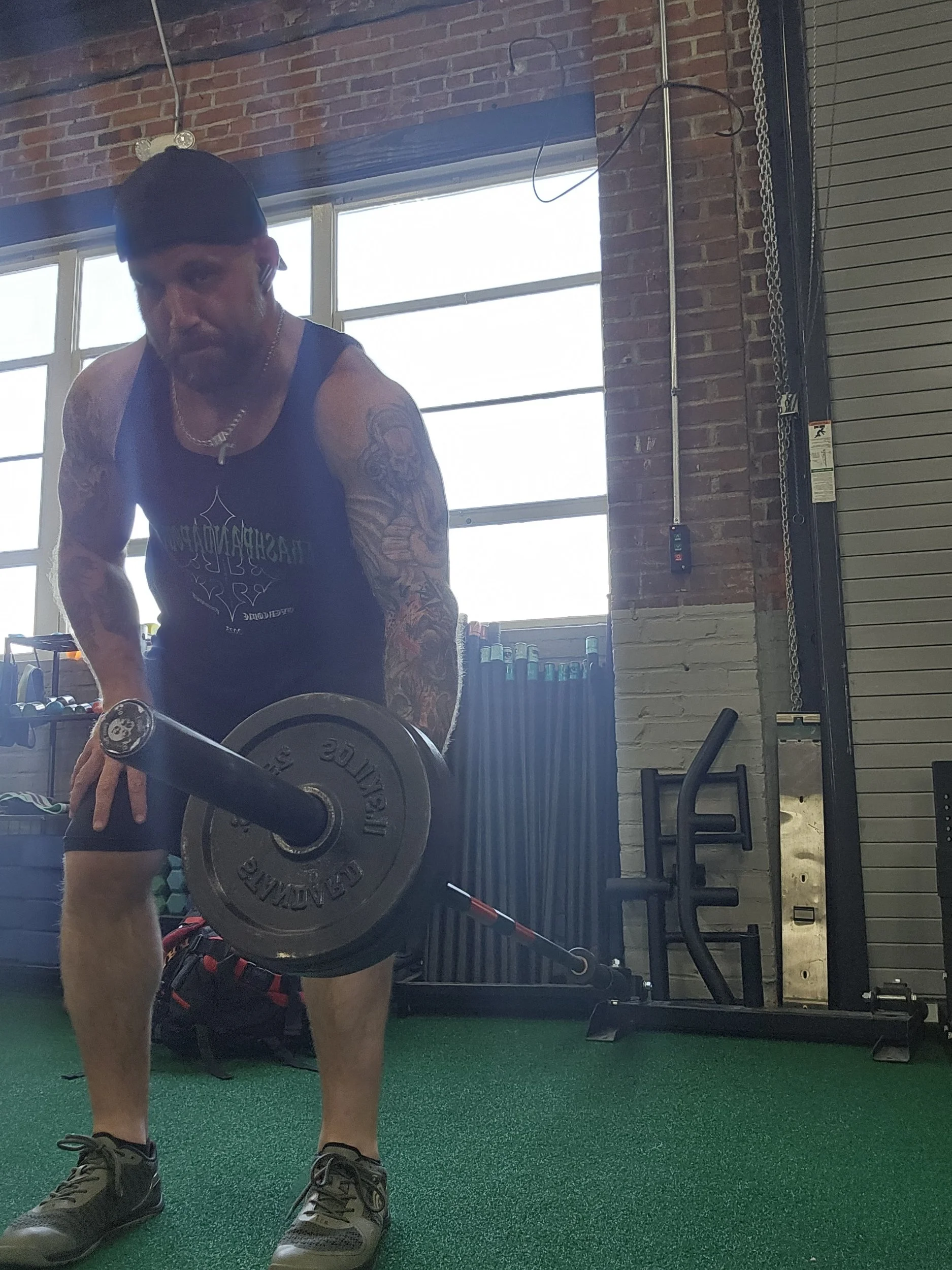
I’m a father working a full time job and a business owner. I’ve been training for 18 years, competitively for 10 years and have challenged myself across multiple disciplines of fitness.
For 11 of those years, I have been a full time commercial motor vehicle operator - or a truck driver if you want to be a dick about it.
To not miss out on precious family time woke up in the small hours, taking fasted 1 rep maxes at 0230 before work, and transitioned to afternoons when my work schedule made getting up earlier impossible.
The 2 common traits that endured through a lifetime of lifting and ever changing goals were adaptability and consistency.
Having that one constant in training kept me grounded physically and mentally throughout all of life's twists and turns.
Ive noticed an alarming trend in the fitness space of parents and middle aged adults finding fitness and using their responsibilities as a shield to underperform and do the bare minimum (and celebrate it), which is just as much of an excuse as the timeless barrier that keeps people out of the gym in the first place:
"I have no time"
Celebrate your wins. Absolutely.
But also strive to be the best version of you that you can be - so that you can be the best parent, coach, friend, spouse for those people who depend on you.
For over a decade Ive woken up and gone to work long before the sun rises and am down for bed after its set with little to no stopping in between. Here are 5 rules I've learned to live by that have kept me consistent, and fit, despite working 60+ hours
1. Plan Ahead
This seems obvious, but is the foundation for your week ahead. If you fail to plan, then you plan to fail.
Im never going to be some motivational blow hard that insists you carve out a sunday afternoon religiously and prepping every single meal for the week in individual tupper ware containers or you dont care about your goals, but finding a way that works for you to set your food and training goals up in advance makes managing that sweet commodity of time so much easier.
For me, planning ahead looks like making on-the-road-friendly foods like shakes and sandwiches the night before and prepping my cooler with 4 meals and drinks for the work day, or waking up just a touch earlier to throw it together fresh the morning of.
2. Be Flexible
It sounds a little contradictory but bear with me: never fall in love with the plan.
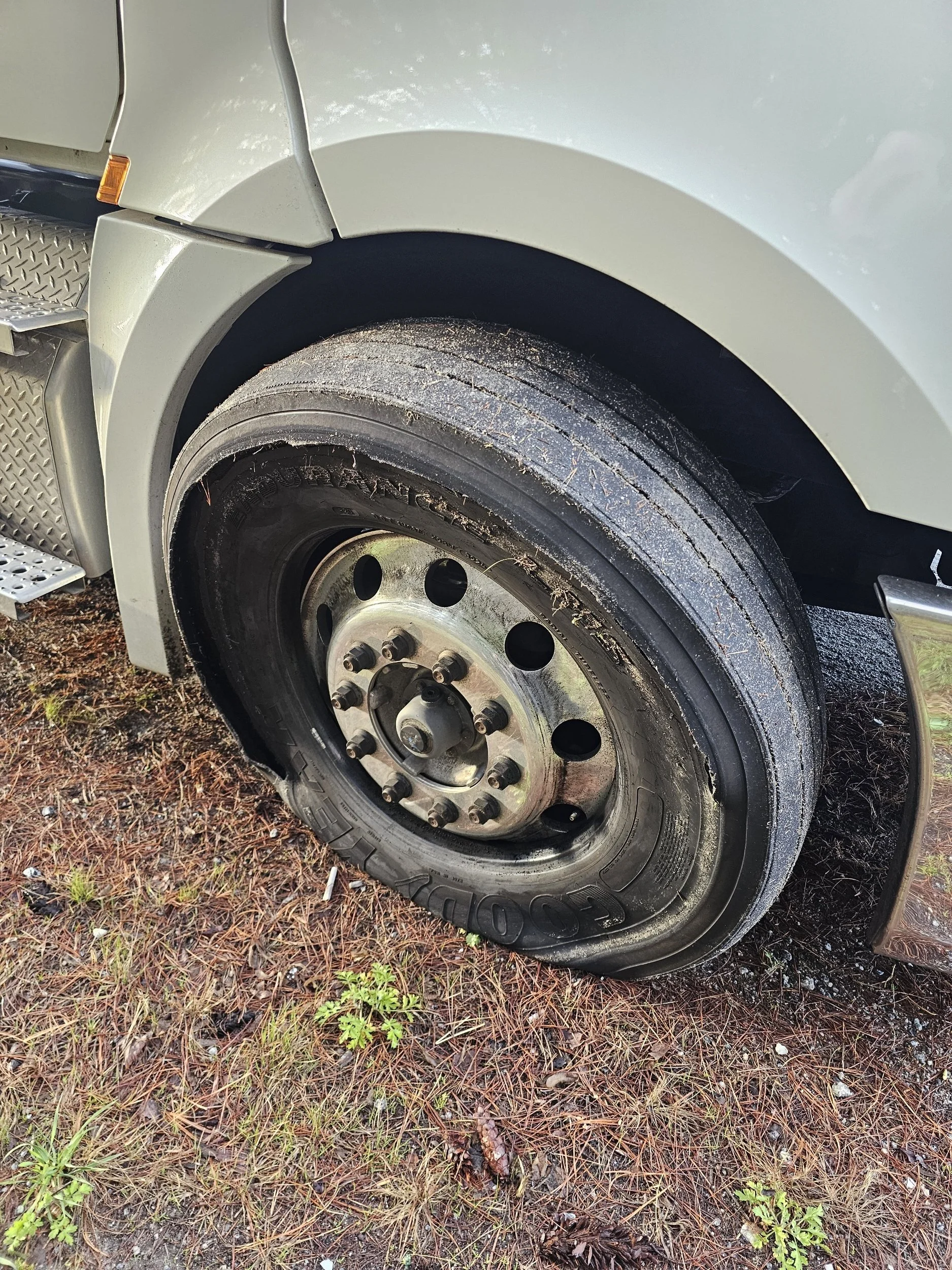
I know, I know. I just said that you should plan ahead. Things happen. This week I had a steer tire blow out, which resulted in a 16 hour day, a botched day off the following day and still making my commitments to my child's long anticipated drama club performance without skipping training or meals.
It took flexibility. Being fine with making sensible adjustments to the plan and not panicking even if you have to shift things over 1 day is a skill. Be patient with yourself.
3. Be okay with being "selfish"
It comes with the territory of having fitness goals: you start a new diet, youre tracking macros, you have a training schedule to adhere to...
And then suddenly everyone's a critic or a health expert.
"You can just have a slice of pizza, it wont kill you."
"Oh, youre taking this fitness thing a little too seriously dont you think?"
"Cant you just skip the gym?"
"Have a drink! Youre no fun..."
But the thing is, the people saying this arent trying to reach your goals. You are. You are NOT selfish for establishing (and adhering to) your boundaries. In fact, the more comfortable you get with sticking to your guns, the more confident you'll be in taking those steps to make sure your plan survives the day.
Feel good about your boundaries and train yourself out of the lie that you're rude or selfish for having and meeting your own standards.
4. Recovery IS training
In our twenties we all said "ill sleep when I'm dead" , "sleep is for the weak" or something equally misguided.
Remember how hard we all fought against nap time as kids? Look at you now, wishing you had 20 minutes in your day to actually take that nap.
With kids, full time jobs, training schedules and life's regular commitments it all too often seems like rest is a luxury.
Making time to get as much sleep as you can, actually drinking water and not just chugging white monsters, getting quality meals as a priority and not winging it at whatever fast food option shows up on the way to the concert this weekend is just as important as the hours you spend training in the gym.
As a CMV operator, bucking the stereotype of sucking down fast food, inactivity and obesity was a huge drive for me. Getting good sleep at night, taking opportunities at rest areas to recharge, staying hydrated and moving around to combat the effects of prolonged sitting have been vital for not only my job performance, but training and parenting.
Take that diet and your sleep seriously.
5. Keep moving
The last and probably most important one is to keep moving.
Throughout my life Ive had my share of ups and downs. Marriage. Divorce. Deployments over seas. Long hours on the road. Injuries. The birth of a child. The deaths of loved ones. Surgery. Making and losing friends.
Some of those moments I let get in the way of my goals. Thats an important distinction to make.
Whatever I was going through at the time, looking back on it, I allowed things to drag me down. Don't read what I'm not saying, because we need rest and recovery. But its incredibly important to separate actual rest and recovery, and the way we convince ourselves that we are just taking that needed rest when we are really just avoiding the difficult parts. If we are honest with ourselves, we can make the choice to get up and move even when the sweet allure of comfort food and Netflix is calling us to the couch.
It starts with one small win, and then another and suddenly youre stringing together a series of good moments and building momentum.
It does NOT mean all problems are solved, but getting up and going for a walk makes a world of difference. Getting ANY exercise done instead of putting it off because what's one more day, or just putting your phone down and interacting with the world and people around you.
Small victories.
One by one.